
The advertising world has changed dramatically over the last decade, especially for retail businesses. What used to be dominated by billboards, flyers, radio, and in-store promotions has now expanded into digital ads, social media campaigns, retail media networks, and data-driven marketing.
Today, the question many retailers are asking is simple:
“Should we invest more in traditional advertising or go all-in on digital?”
The truth?
You don’t need to choose one. The real power comes from finding the right balance — one that suits your brand, budget, and customers.
This article helps retailers understand the strengths of both formats and how to combine them for maximum impact.
Why Traditional Advertising Still Matters
Traditional advertising has been around for decades, and it remains effective — especially for Malaysian retailers who rely heavily on physical store traffic.
1. Builds strong, lasting brand presence
Billboards, signboards, and print materials create real-world visibility that digital ads cannot replace. A large roadside billboard near a shopping mall or petrol station can drive top-of-mind awareness.
2. Appeals to older or less tech-savvy audiences
Not all customers spend their time on Facebook, TikTok, or Google. Traditional ads still reach consumers who prefer newspapers, radio, or physical promotions.

3. Less clutter than digital spaces
Digital feeds are noisy — but outdoor ads stand out in high-traffic areas. You can’t scroll past a billboard.
4. High credibility
People often perceive traditional ads as more “legit” because they require time and investment.
Why Digital Advertising Is Essential in 2025
Digital marketing dominates because it brings something traditional ads cannot:
data, targeting, and measurable results.
1. Hyper-targeted audience reach
You can target customers by:
✔ Age
✔ Location
✔ Interests
✔ Online behavior
✔ Past purchases
No billboard can do that.
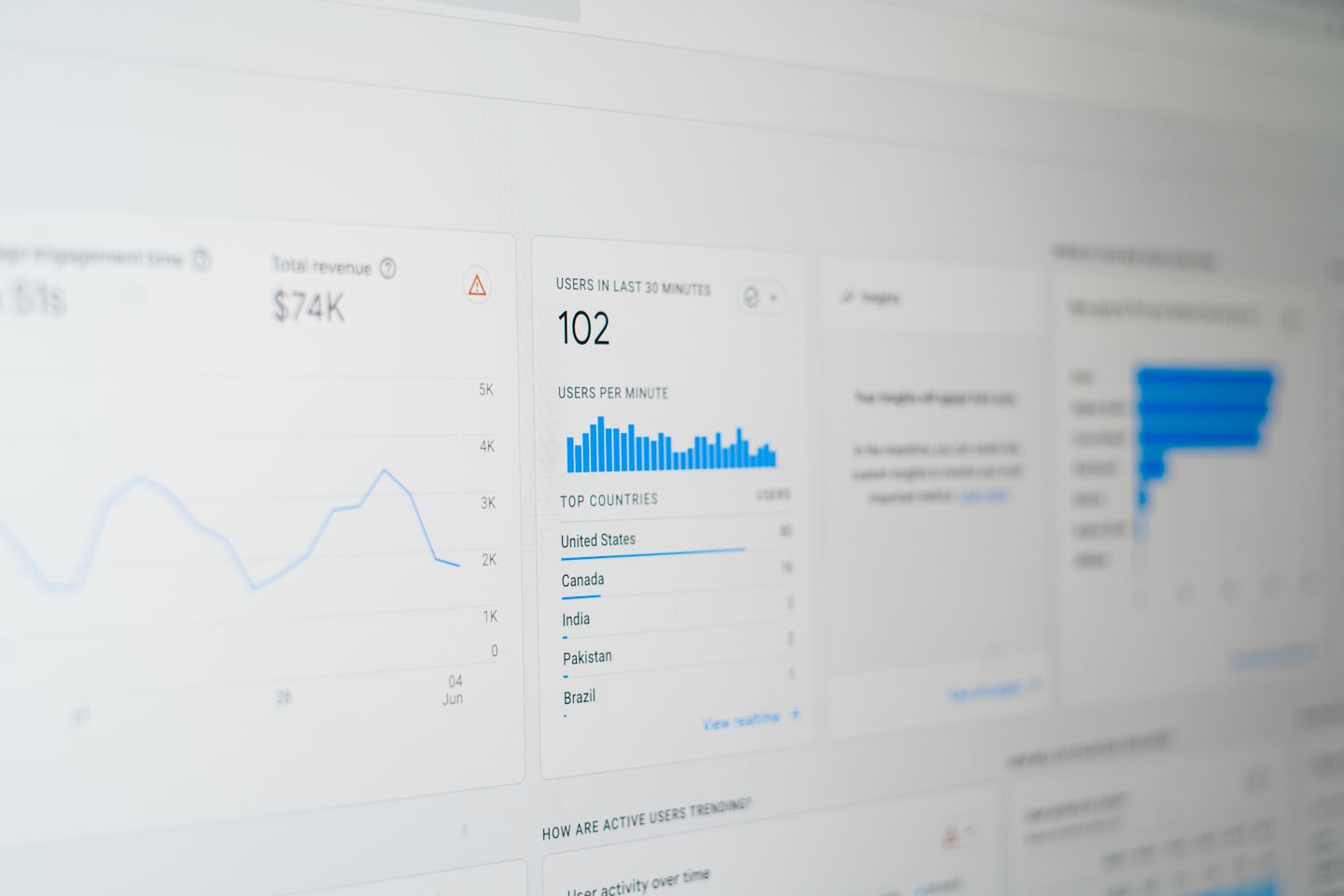
2. Real-time analytics
Know exactly how many people saw your ad, clicked it, engaged with it, or purchased — within minutes.
3. More affordable for small to medium retailers
RM10–RM30/day can run effective ads on social platforms. Traditional ads often require thousands.
4. Omnichannel customer journey support
Most customers research online before buying in-store.
Digital ads help bridge that gap.
5. Perfect for retargeting
Digital channels can remind customers who viewed your product but didn’t buy — extremely effective for retail.
The Real Winner: Blended Advertising (Traditional + Digital)
Instead of treating them like competitors, the best retailers combine both.
Why?
Because customers don’t live in one channel.
They:
✔ drive past a billboard
✔ scroll through Instagram
✔ search on Google
✔ watch TikTok
✔ shop in store
✔ get retargeted online
A blended strategy ensures your brand stays visible everywhere your customers are.
Examples of Perfect Balance for Retailers
1. Billboard + Google Search Ads
A billboard increases awareness.
Google Ads capture customers when they search out of curiosity.
2. Flyer + Facebook Ads
Flyers bring local visibility.
Facebook helps amplify promotions to the neighbourhood.
3. In-store signages + TikTok Ads
Signages influence walk-in customers.
TikTok drives younger audiences to visit or explore online.
4. Radio Ads + Retail Media Ads (e.g., Lazada, Shopee)
Radio builds brand familiarity.
Retail media boosts purchase conversion.
How Retailers Should Decide the Right Balance
1. Know your audience
If they’re younger → shift heavier to digital.
If they’re older → maintain strong traditional presence.
2. Know your product type
High-touch products (furniture, home appliances) benefit from traditional visibility.
Fast-moving items (beauty, fashion) thrive in digital.
3. Start small, test, and optimize
Digital gives fast feedback.
Traditional builds long-term reputation.
Use both strategically.
2025 Advertising Trend: Retail Media Networks (RMN)
Retailers like AEON, Lotus’s, MR DIY, Watsons, and even e-commerce platforms are turning their shopper data into advertising opportunities.
Retail Media is powerful because it:
- Targets shoppers while they are actively buying
- Uses real purchase data
- Generates high conversion rates
- Works both online & offline
This hybrid approach represents the future of retail advertising.
Conclusion: The Perfect Balance Is Different for Every Retailer
There is no one-size-fits-all.
But one rule always applies:
👉 Use traditional advertising for awareness.
👉 Use digital advertising for targeting and conversion.
The combination brings the best results.
Retailers who adopt a blended approach — guided by data, customer behavior, and proper strategy — will always outperform those relying on just one method.